Toddler Nightmares: Comforting Tips for Parents
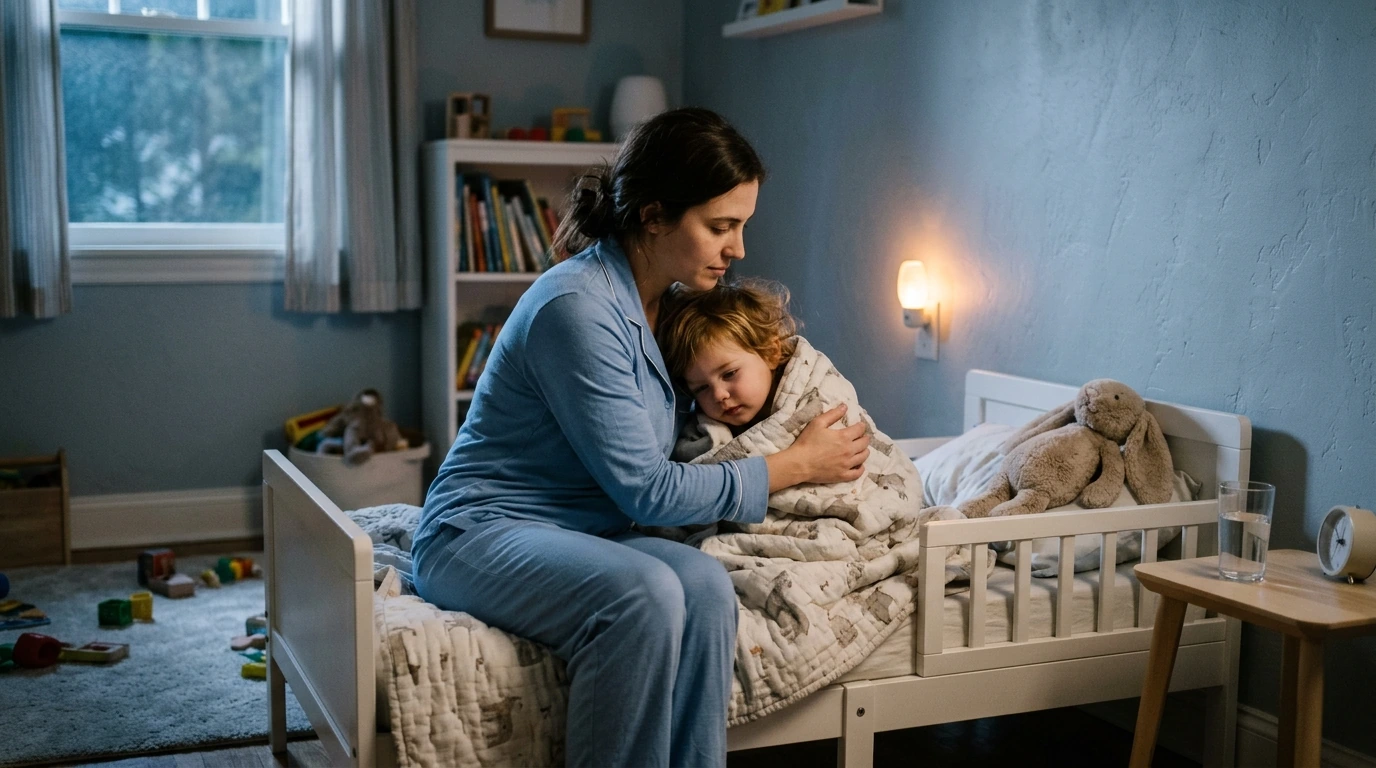
A frightened toddler waking in the night can leave you feeling unsettled, too. You do not need a perfect response: a calm presence, a few reassuring words, and time to settle can make the moment feel more manageable for both of you.
Our ebook, What to Do When Your Toddler Has Nightmares, offers practical parenting support for comforting your child and navigating bedtime. Alongside that guidance, these simple steps can help you decide what to try tonight and when to reach out for extra support.
Start With Calm and Reassurance
Approach your toddler gently and speak in a quiet, steady voice. If your child welcomes touch, offer a hug or sit close by. You might say, “That dream felt really scary. You’re safe, and I’m here.” Short, familiar phrases are often easier to take in when a child has just woken up.
Try to acknowledge the feeling rather than insisting there was nothing to fear. Your toddler may need a little time to understand that the dream is over. You can listen if they want to tell you about it, but there is no need to press for details.
Keep the lights low and your interactions calm as you help your child settle again. A sip of water, a familiar blanket, or your quiet presence may be enough. If your toddler wants you nearby, stay for a little while and reassure them as they return to bed.
Create a Comforting Bedtime Rhythm
A predictable sequence can help your toddler know what comes next. You might dim the lights, change into pajamas, read a gentle story, and share a cuddle before saying goodnight. The routine does not need to be elaborate; choose steps your family can repeat comfortably.
Pay attention to stories and screen content that seem to unsettle your child. If a character or scene keeps coming up at bedtime, try a gentler alternative. You can also offer a familiar comfort object or a dim night-light if it helps your toddler feel secure.
Some evenings will be harder than others. Returning to a familiar rhythm the next night can help without turning bedtime into a long list of rules.
| When | What to try | Why it may help |
|---|---|---|
| Before bed | Follow the same quiet routine | Makes bedtime more predictable |
| After a nightmare | Offer calm reassurance and stay nearby | Helps the child feel safe |
| The next day | Invite your child to talk or draw if interested | Offers a gentle way to express feelings |
Talk About Scary Dreams During the Day
Daytime gives you and your toddler a chance to revisit a frightening dream without the pressure of getting back to sleep. Keep your language simple and let your child share as much or as little as they want. A question such as “Do you want to tell me about your dream?” leaves room for a yes or a no.
If your child enjoys drawing or pretend play, invite them to make up a different ending. A scary creature might become silly, or a favorite character might help. This can be a gentle way to express feelings, although it is not a guarantee that nightmares will stop.
Not every upsetting nighttime episode is a nightmare. A child who is difficult to wake and does not remember the event afterward may be experiencing a night terror. During a possible night terror, focus on keeping your child safe rather than trying to wake them. The NHS guide to night terrors and nightmares explains more about the differences.
When to Ask for Extra Support
Talk with your pediatrician if nightmares happen frequently, disrupt your child’s sleep or daytime activities, or cause persistent distress. You do not have to wait until you are certain what is happening; a conversation can help you decide what to do next.
It may help to note what happens during and after an episode, whether your toddler wakes fully, and whether they remember it later. Mention any recent stressful events or changes in family life, too. These details give your pediatrician context without requiring you to diagnose the problem yourself.
For additional background on comforting a child after a bad dream, see KidsHealth’s guide to nightmares.
Keep Practical Guidance Close at Hand
When you want a resource to return to, explore our What to Do When Your Toddler Has Nightmares ebook. It is a guide for parents seeking practical comforting tips and bedtime solutions, currently priced at $76.99 USD. You can visit the product page to learn more.
If you are also looking for general ideas for your own self-care, our Whole You: Holistic Wellness Guide is a separate beginner wellness ebook. It is not a guide to toddler nightmares, but it may be useful if you want to make space for your own well-being alongside caring for your family.
Our ebooks offer parenting and wellness support; they are not substitutes for medical advice. Your pediatrician can help with concerns specific to your child.
FAQ
What should I say when my toddler wakes from a nightmare?
Use a calm voice, acknowledge that the dream felt scary, and reassure your child that they are safe. You might say, “That dream felt really scary. You’re safe, and I’m here.”
How can I tell a nightmare from a night terror?
A child usually wakes from a nightmare and may remember it. During a night terror, a child may be difficult to wake and typically does not remember the episode.
When should I talk to a pediatrician about nightmares?
Speak with a pediatrician if nightmares happen often, interfere with sleep or daily activities, or cause ongoing distress.












Leave a comment