Solo Travel Safety Tips: Your Guide and Checklist
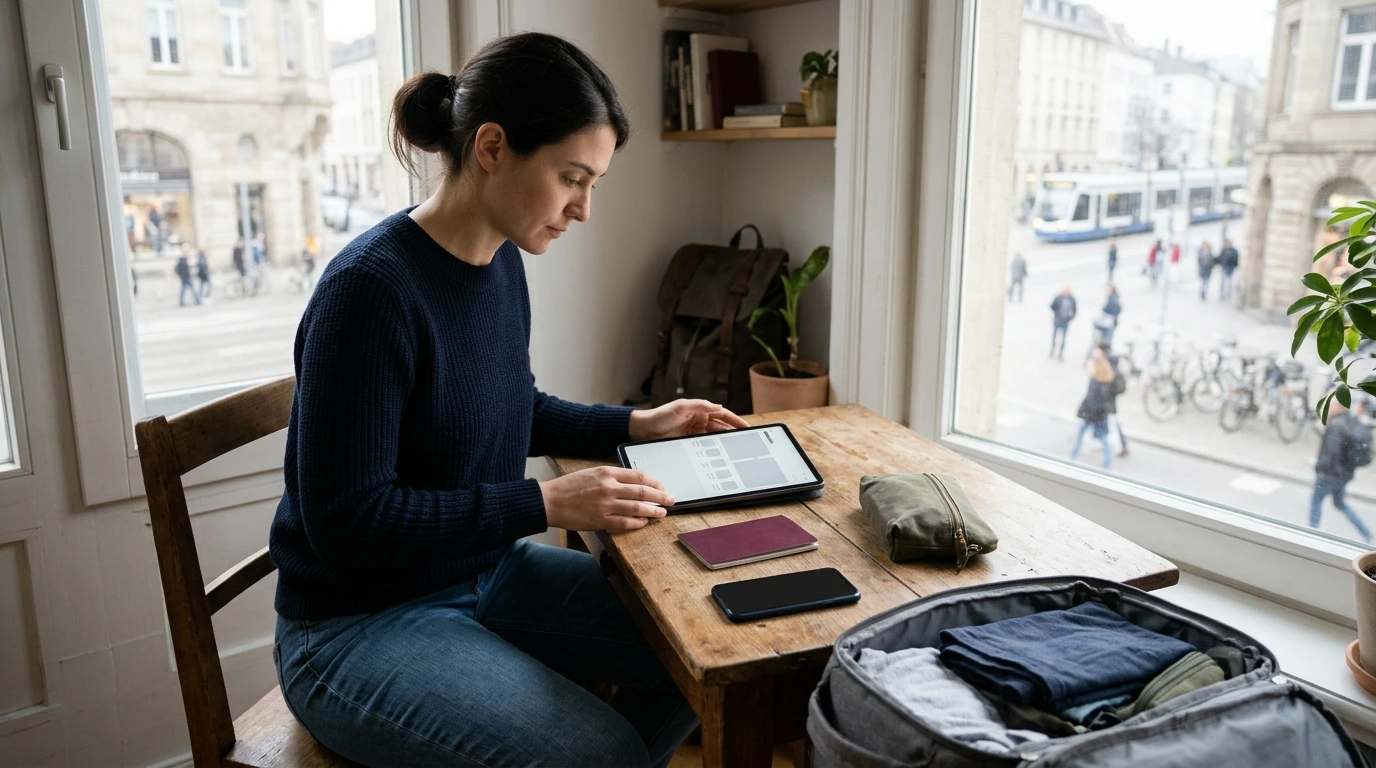
Traveling solo gives you the freedom to set your own pace, but it also means making practical decisions independently. A little preparation can make those decisions easier, from finding your first ride to knowing whom to call if plans change.
We offer the Solo Traveler’s Guide to Staying Safe as a digital PDF eBook for organizing your travel security planning. Pair it with current destination advice and a checklist tailored to your trip, and you can head out with a clearer plan.
Start With a Simple Safety Plan
Before you book or depart, look at the latest official information for your destination. The U.S. Department of State’s travel advisories are a useful starting point for understanding destination-specific risks. Check entry requirements and local emergency numbers too, since these can differ from what you use at home.
For health considerations, consult CDC Travelers’ Health for destination-specific guidance. Give yourself time to arrange any recommended appointments or supplies before you leave.
Share your itinerary with someone you trust, including your accommodation details and expected travel dates. Agree on when and how you’ll check in, and explain what you’d like them to do if they cannot reach you. Your schedule doesn’t have to be rigid: send an update when a substantial part of your plan changes.
Our Solo Traveler’s Guide to Staying Safe offers a convenient resource for approaching solo travel safety tips and checklist-based planning in one place.
Build Your Solo Travel Safety Checklist
Start with the essentials you would need if a bag, phone, or wallet went missing. Make copies of your passport and other important documents, and keep them separate from the originals. Consider a secure digital copy you can access if your device is lost, along with any account recovery information you may need.
Plan more than one way to access money. For example, you might carry a primary payment card and keep a backup card or some cash in a separate secure location. Check with your financial provider about international access and fees before departure.
Before you arrive, identify your route from the airport or station and confirm your accommodation’s address and check-in arrangements. Save the details somewhere you can find without relying entirely on a live internet connection.
Safety Planning at Each Stage
Use this table as a starting point for your own checklist. It is not a reproduction of the eBook’s contents.
| When | Planning step | Why it helps |
|---|---|---|
| Before booking | Check official destination advisories | Identify current risks and requirements |
| Before departure | Share itinerary and check-in arrangements | Give a trusted contact a way to follow up |
| On arrival | Confirm transport and accommodation details | Reduce uncertainty in an unfamiliar place |
| During the trip | Keep documents and backup payment options secure | Prepare for loss or disruption |
Adapt these steps to your destination, itinerary, and personal needs. A remote hiking trip may call for a more detailed communication plan, while a city break might require extra attention to late-night transportation. Add relevant medical contacts, accessibility arrangements, or other details that matter to you.
Make Everyday Decisions With Safety in Mind
When arranging a ride, use a reputable provider and verify the vehicle and driver details where possible before getting in. If you use a ride-hailing app, compare the displayed information with the vehicle that arrives. Know your destination address and avoid feeling pressured to accept an option you’re uncomfortable with.
Stay aware of your surroundings, especially when navigating an unfamiliar area or handling valuables. If you need to check directions, consider stepping into a well-lit public place rather than standing distracted on the sidewalk. Keep essential belongings close and choose a route that feels appropriate for the time of day.
Be thoughtful about sharing your location online. Posting photos after you leave a place, rather than broadcasting your movements in real time, can help keep your plans more private. Share live details directly with your trusted contact when useful instead.
Keep your phone charged and consider carrying a power bank. Save important numbers offline or write them down, including your trusted contact, accommodation, local emergency services, and relevant embassy or consulate. Circumstances vary, and no checklist can guarantee safety; stay alert and adjust your plans as needed.
Keep Your Planning Guide Close
The Solo Traveler’s Guide to Staying Safe is listed at $8.99 USD as a digital download in PDF eBook format. Use it alongside current official travel advice as you organize your preparations, then visit the product page to explore the guide before your next trip.
Planning at home can extend beyond travel security. If you also want help organizing meals before or after your trip, our Healthy Meal Plan & Recipe Collection offers one-week or one-month meal plan options with recipes.
FAQ
What should solo travelers prepare before a trip?
Check official destination advice, share your itinerary and check-in plan with a trusted contact, and prepare for documents, transport, money, and emergencies. Adjust your checklist to your destination and personal needs.
Is the Solo Traveler’s Guide to Staying Safe a physical book?
No. It is listed as a digital download in PDF eBook format.
Can a travel safety checklist guarantee a safe trip?
No. A checklist can support your preparation, but you should stay alert, adapt to changing circumstances, and follow current official guidance.












Leave a comment